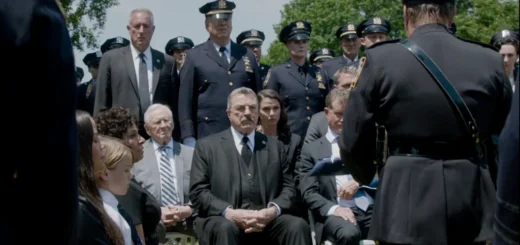
Why Blue Bloods Concluded After 14 Seasons on CBS
Why Blue Bloods Concluded After 14 Seasons on CBS
After more than a decade on the air, Blue Bloods officially came to an end after its 14th season, marking the conclusion of one of CBS’s longest-running and most beloved dramas. While the series remained popular with fans, several key factors contributed to the network’s decision to bring the show to a close.
One of the primary reasons was rising production costs. Long-running series often become more expensive over time, especially when they feature veteran casts with renegotiated contracts. With Blue Bloods starring high-profile actors such as Tom Selleck, production expenses had significantly increased, making the show less cost-effective for the network.
Another factor was CBS’s evolving programming strategy. As networks continue to shift toward attracting younger audiences and developing new content for both broadcast and streaming platforms, CBS has increasingly made room for fresh series. Ending Blue Bloods allowed the network to open a valuable time slot for new programming while still honoring the show with a planned and respectful conclusion.
Although Blue Bloods continued to deliver solid ratings, those numbers were lower than in its peak years, which is typical for long-running shows. In today’s competitive television landscape, networks must weigh ratings against overall costs and long-term growth strategies.
Importantly, Blue Bloods was not abruptly canceled. CBS worked with the producers to ensure the series received a proper send-off, giving fans closure and allowing the story of the Reagan family to end on its own terms.
Ultimately, the conclusion of Blue Bloods was less about a lack of success and more about the natural lifecycle of a long-running television series. After 14 seasons, the show leaves behind a lasting legacy as one of CBS’s most dependable and respected dramas.
![MCU Star Gets Flirty With Sean in ‘Boston Blue’ Episode 6 Sneak Peek [Exclusive]](https://actors24.info/wp-content/uploads/2025/11/149e6ee3678d084dbe1f2da55443d8a2-520x245.webp "MCU Star Gets Flirty With Sean in ‘Boston Blue’ Episode 6 Sneak Peek [Exclusive]")